
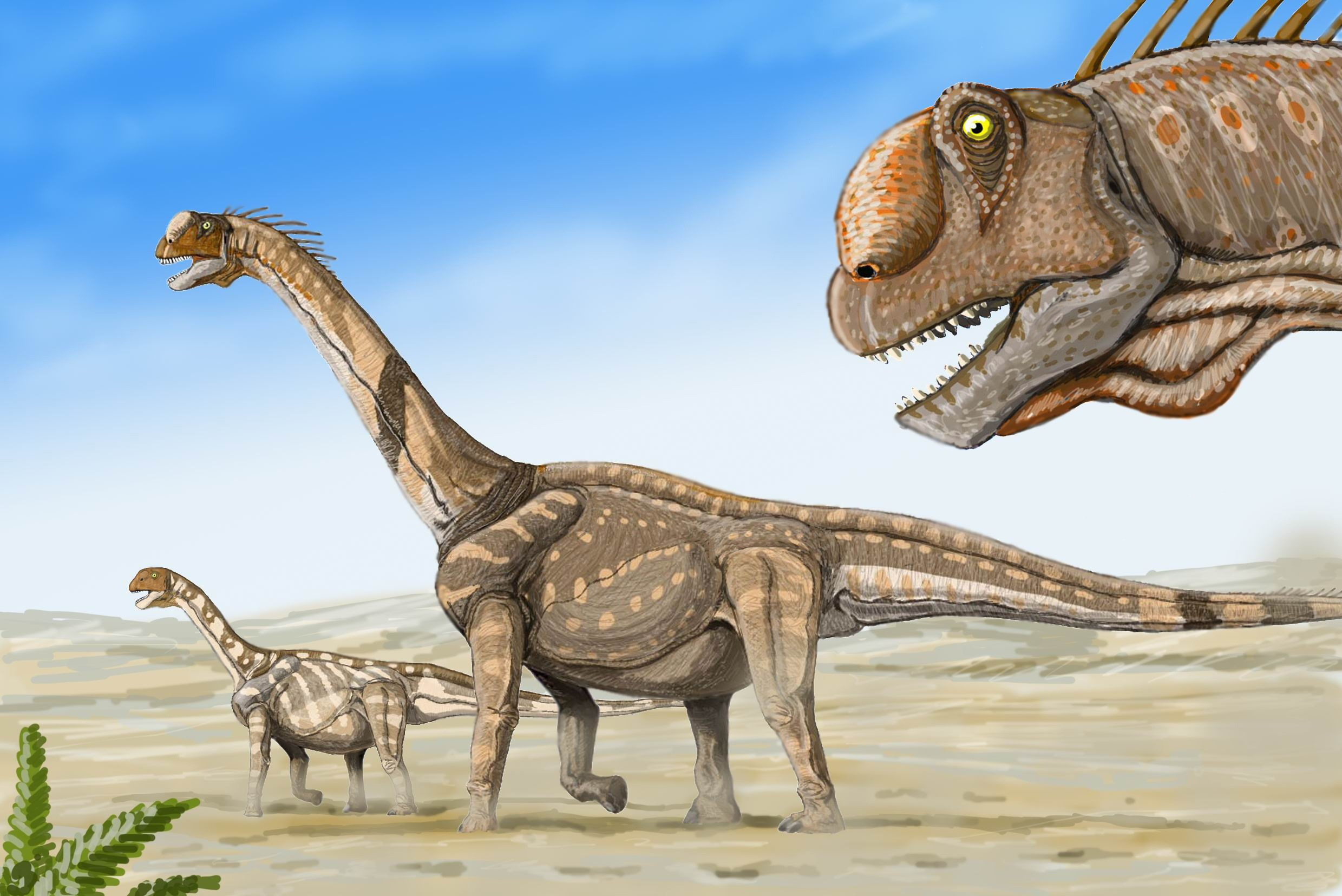
Camarasaurus - very definitely a dinosaur
Last time, I wrote about bad science in terrible creature features. One of the things I noted was the tendency of the actors and writers to refer to anything old and extinct as a dinosaur. Of course, this is a problem in that it displays a poor understanding of what a dinosaur actually is, but this misunderstanding isn't limited to bad science fiction films. It instead reflects a larger societal misunderstanding of what constitutes a dinosaur--any big, dead reptile gets lumped into the category of "dinosaur." But in reality, paleontologists have a very specific definition of what a dinosaur is.
In the first place, dinosaurs are diapsids, animals that have two openings in their skull behind the eyes (fenestra). Other diapsids include birds, lizards, and crocodiles, but this characteristic alone separates them from the synapsids (one opening behind the eye), a group that includes mammals, and from the anapsids (no openings behind the eye), organisms like turtles. To narrow our definition down further, dinosaurs are part of a group of extinct reptiles known as archosaurs, a group that also includes pterosaurs. What makes dinosaurs different is in their hips--the hip bones of dinosaurs have an opening in them. There are several other characteristics that distinguish dinosaurs from other archosaurs, very technical details about their skeletal anatomy that can be viewed here, including modifications to the bones of their hands and feet.
With those semi-technical details out of the way, we can translate this definition into a way of weeding out non-dinosaurs that are commonly referred to by that name, whether in movies or everyday life. These can include:
Sharks - sharks pre-date dinosaurs in the fossil record by over 200 million years, before vertebrates even took to the land. Why anyone would ever call them "dinosaurs" except as a figure of speech is beyond me.
Pterosaurs - as noted earlier, pterosaurs are not dinosaurs, though they were part of the archosaur group. Some dinosaurs did fly, but pterosaurs can be more properly thought of as flying reptiles rather than dinosaurs.
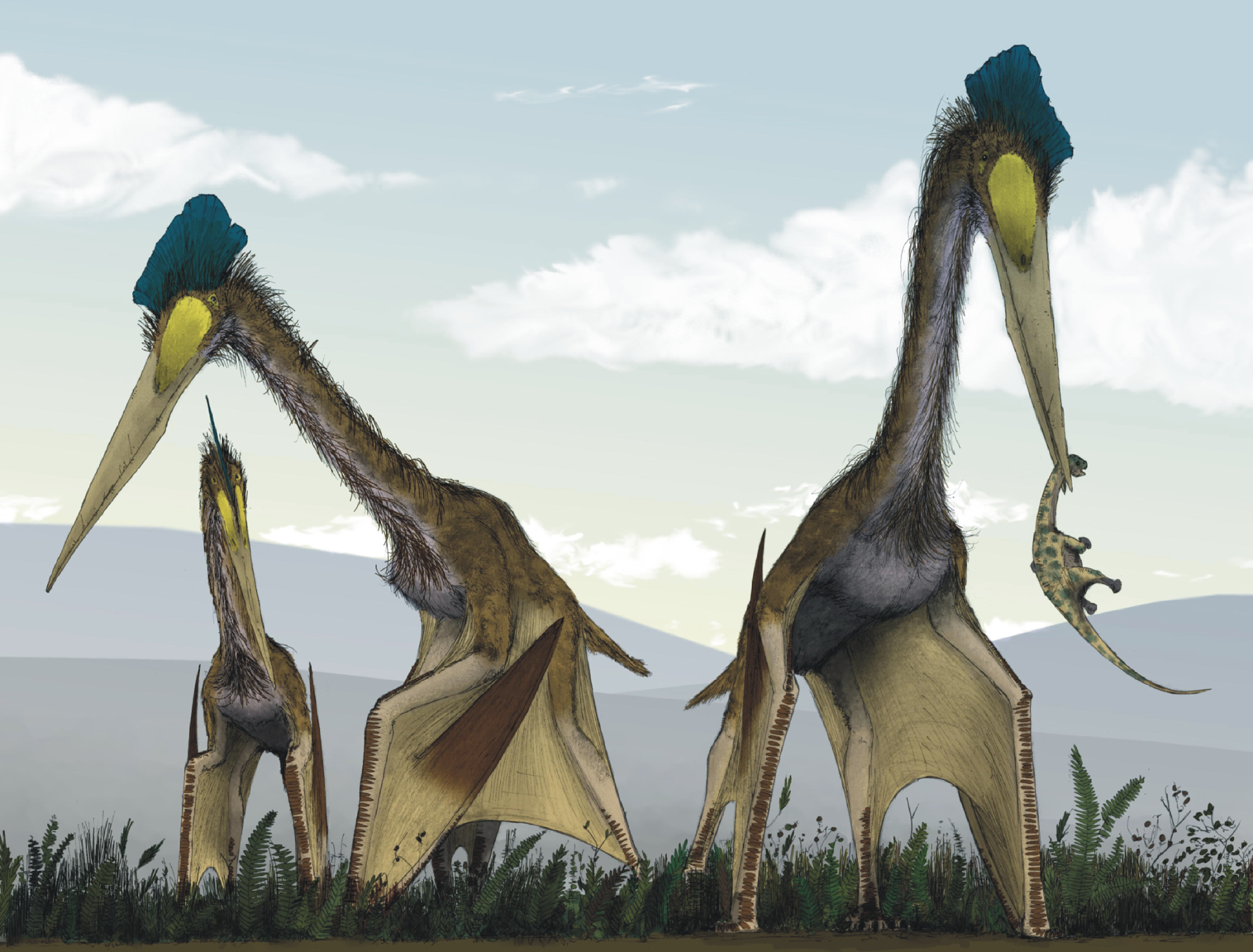
Pterosaurs - not a dinosaur
Mosasaurs, icthyosaurs, and plesiosaurs - these extinct reptiles dominated the oceans in the same period that dinosaurs did. But as no dinosaurs swam, these creatures, while fascinating, cannot be thought of as dinosaurs, even as they get lumped together with them in popular books and toys.
Dimetrodon - an extinct reptile, dimetrodon was a synapsid and a precursor to mammals. Thus, the famous sail-backed monster of popular imagination is more closely related to humans than it is to dinosaurs!
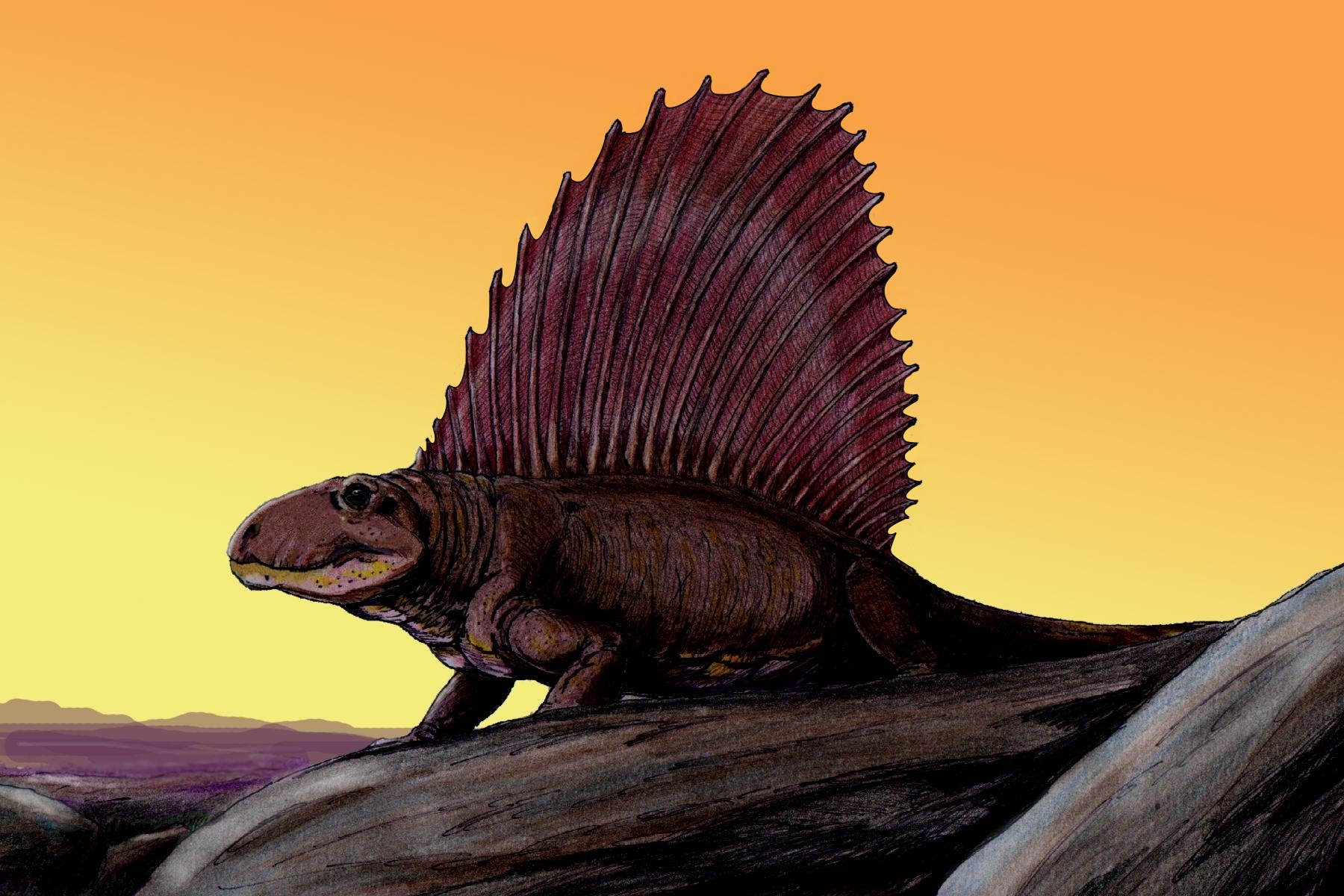
Dimetrodon - terrible, ferocious, but also not a dinosaur!
Dinosaurs themselves are divided up into two main groups, the ornithischians (bird-hipped) and saurischians (lizard-hipped), reflecting differences in the structure of the hip bone. Saurischians include dinosaurs like Diplodocus and Tyrannosaurus rex, while the ornithischians include dinosaurs like Triceratops and the stegosaurs. Ironically, it is from the so-called "lizard-hipped" saurischians that birds evolved. Which brings me to the last point of this post:
Birds - descended from theropod dinosaurs, these animals are the only surviving dinosaur, an idea which was highly debated but is now generally accepted by scientists. That's right, birds are dinosaurs! This is surely one of the most fascinating conclusions of modern dinosaur paleontology, though I don't expect to start seeing figurines of chickens or doves included in sets of toy dinosaurs anytime soon.
Postscript:
While many of the sources for the information above are linked, in discussing some of the characteristics that define dinosaurs, and distinguish them from other extinct reptiles, I relied also on the essay "The Osteology of the Dinosaurs" by Thomas R. Holtz, Jr. and M.K. Brett-Surman, as printed in the first edition of The Complete Dinosaur (Indiana University Press, 1997) as well as information contained in John Foster's Jurassic West: The Dinosaurs of the Morrison Formation and Their World (Indiana University Press, 2007). Finding a clear, scientific definition of what makes a dinosaur a dinosaur was, surprisingly, hard to come by, perhaps one of the reasons why there is so much popular confusion on the issue.
All images are through Wikipedia Commons and are copyright-cleared for use.
Informative article and well-written.
ReplyDelete