We've come to expect that many of our politicians are going to be hypocritical in some aspect of their lives. Whether it is a "family values" politician like Louisiana's David Vitter being caught with prostitutes, or candidates who pledge to be honest being netted in corruption stings, revelations of hypocrisy are so frequent that they hardly even seem to merit a shrug. Yet there is at least one type of political hypocrisy that, no matter how often it happens, we should be paying attention to. Hypocrisy in any form is contemptible, but hypocrisy on matters of economy affects us all.
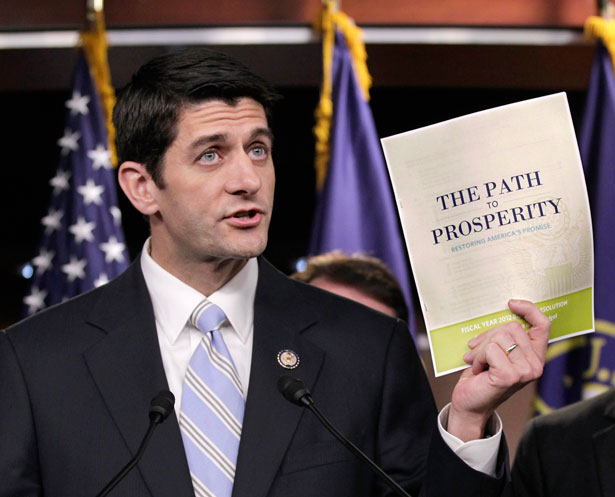
This issue was brought to mind this week with the entrance of Rep. Paul Ryan into the race for Speaker of the House, one of the most powerful positions in the nation and third in line to the Presidency, after the Vice-President. Paul, often held up as a reasonable man in a party gone off the deep end, is well-known for his proposals to reform Social Security, which usually involve cuts in some form as an accompaniment. Critics largely view these would-be reforms as attempts to gut a popular program, but putting that debate aside for a moment is the larger issue--namely Ryan's hypocrisy on the issue. After his father died at a young age, Ryan and his family received Social Security survivor benefits, which helped put Ryan through college. Yet he would turn around and, through cuts to the program, deny others the same help that he received.
Another doyen of the Republican Party, Senator Joni Ernst, presents herself publicly as the result of a lifetime of hard work, America's bootstrap mentality made manifest. Yet while there is no doubt that she worked hard to get where she is, there is also no doubt that she didn't do it alone; her family received nearly half a million in farm subsidies from 1995 to 2009. Her family received help from the federal government, but she, and numerous other Republicans in Congress who also received similar help, would turn around and deny that to other families who need it as well through calling for cuts to the food stamp program. Subsidies for their family farms are fine--subsidies for food for the poor are "wasteful" and create dependency, in their worldview.
I do not begrudge any of these elected officials for the help that they and their families received. They needed it, and government aid exists to help those who have fallen on hard times, until they can stand on their own again. What I do object to is the massive hypocrisy of those who have received help refusing to extend that help in turn. No amount of mythologizing, no folksy paeans to bread bags can erase the fact that the rugged individualism these individuals tout is a lie, one made in service to the goal of making it even harder to be poor in the United States. We as a country, in the form of social safety net programs and other government aid, try to help those in poverty to improve their economic status, not just because it is good for America but because it is the moral thing to do.
What makes economic hypocrisy so much more insidious than other forms is the reach that it has. A politician who has an affair hurts his family; a politician who enjoyed the benefits of Social Security but proposes cutting the program hurts millions of families, denying them even the opportunity to achieve a better life. Hypocrisy on social issues can betray a spouse; hypocrisy on economic issues can deny children food, and an education. The real crime of the economic hypocrites is that, having climbed the ladders that were made available to them, they work to pull up the ladders behind them.
Comments
Post a Comment